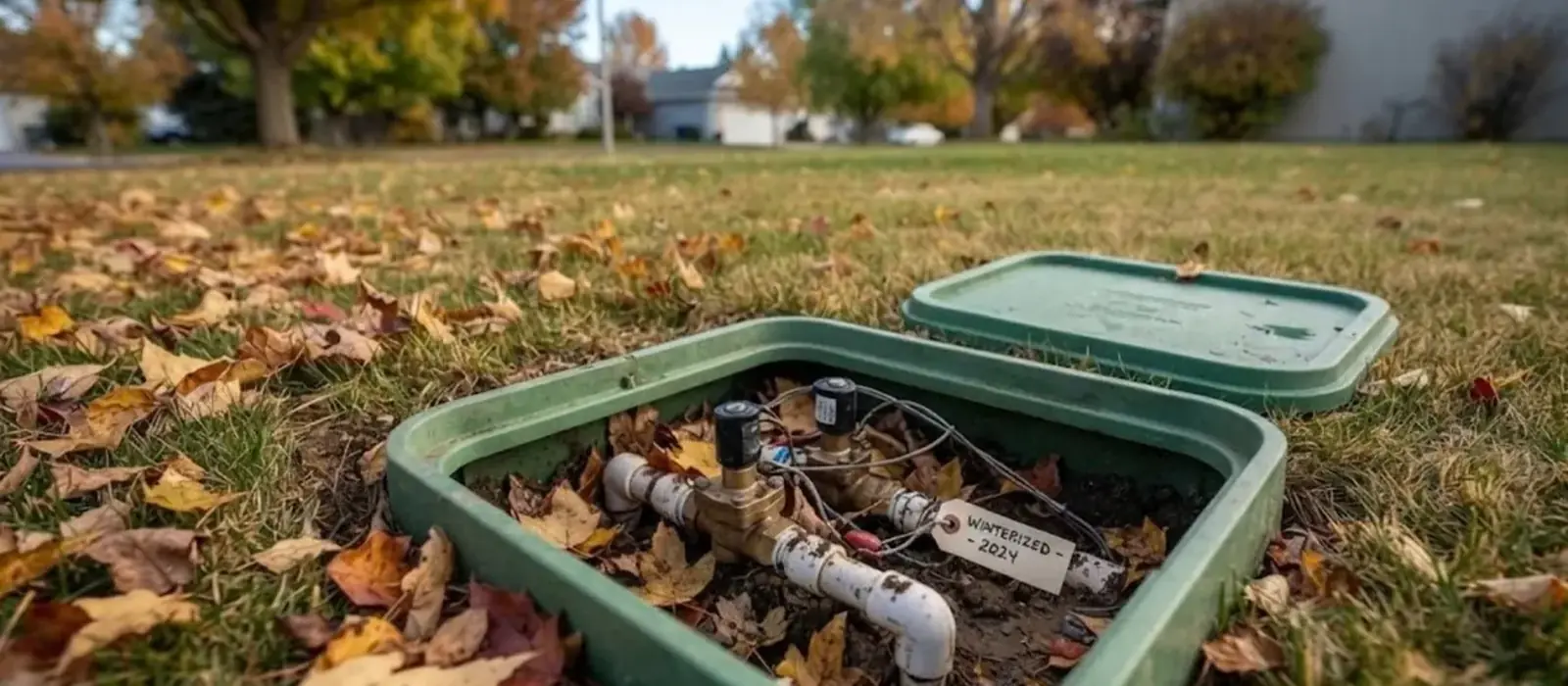
A simple leak test
These four steps tell you whether the leak is in the sprinkler system or elsewhere.
- 1
Turn the system off
Switch the controller off so no zone is running.
- 2
Shut off water inside the house
Close every tap, and make sure the dishwasher and washer are idle.
- 3
Read the meter
Note the low-flow indicator or the dial. Watch for several minutes.
- 4
Compare
If it moves, water is leaving. If the leak stops when the sprinkler supply valve is closed, the leak is in the sprinkler line.
Where sprinkler leaks hide
Each location shows different clues.
| Location | Clue | Typical fix | |
|---|---|---|---|
| Sprinkler head | Water pooling at the base, spray distorted | Replace the head or its seal | |
| Valve box | Water in the box when the zone is off | Replace the diaphragm or valve | |
| Buried lateral line | Soggy strip or a sunken spot | Dig and repair the break | |
| Backflow preventer | Spitting or dripping near the assembly | Service by a licensed professional | |
| Supply line to the system | Wet spot near the meter or house | See [[water-service-line-repair | water service line repair]] |
Visual checks to do on a dry day
Walk the lawn while each zone runs.
- ✓Look for a head that is sunken, tilted or spraying a stream instead of a fan.
- ✓Check for puddles, mud or unusually green patches.
- ✓Listen for hissing near valve boxes.
- ✓Note which zone is weak, since a break upstream of a zone cuts its pressure.
- ✓Check for a spray that hits the house or driveway.
Winter, freeze damage and spring start-up
Many sprinkler leaks are born in winter. Water left in the pipes freezes, expands and cracks a fitting or a head. The crack stays hidden until spring, when you turn the system on and water shoots out of the ground.
Pennsylvania winters make this a real risk, and a blow-out of the lines before the first hard freeze is the standard protection. When you turn the system on in spring, watch each zone. If a zone has low pressure or a geyser, shut it off and trace the cause before the water runs for hours.
Local note: backflow rules and who to ask
A sprinkler connected to the house supply needs backflow protection to keep lawn water from flowing back into drinking water. Requirements and testing rules are set by your water utility and the township, not by us. Ask your utility whether your assembly needs periodic testing and who may perform it.
Bensalem Township's Building and Planning office at 215-633-3644 can tell you whether sprinkler work requires a permit at your address. If your home is near the line with Bristol or Croydon, check which municipality applies.
When to call a plumber
Call when the meter moves with the sprinkler off, when a wet spot is near the house or meter or when a break is in the line that feeds the system. A plumber can pressure test the line, locate the leak and repair it. Locating tools reduce how much lawn you dig up.
A leak in the main supply line to the house is not a sprinkler job. See leak detection for how plumbers trace buried leaks. Irrigation specialists handle heads, valves and controllers, and a plumber handles the pressurized water supply.
How a small leak turns into a big bill
A sprinkler leak is easy to ignore because it sits outdoors. A cracked fitting that leaks a little each time the zone runs may add up to a meaningful amount of water over a season. The bill is how most homeowners find out.
A good habit is to run each zone once a month in summer and walk the lawn. A few minutes of attention beats a surprise bill, and it keeps the lawn from drowning in one spot.
What to note before you call
A short list helps a plumber or irrigation specialist plan.
- ✓Which zone is affected and what the spray looks like.
- ✓Whether the meter moves with the sprinkler off.
- ✓Where wet or sunken ground appears and when you first saw it.
- ✓Whether the system was winterized last fall.
- ✓The age of the system and whether a backflow preventer is installed.
Meter moving with everything off?
Call and describe what you see. A plumber will explain the tests.
Common questions
Close the sprinkler supply valve and check the meter. If the movement stops, the leak is downstream of that valve.
Yes. A buried leak can run constantly. The meter test finds it.
Yes. Freeze damage is a common source of spring leaks. A blow-out before the first hard freeze is standard.
Rules vary by utility. Ask your water utility who may test it and how often.
Rules vary by project. Ask Bensalem Township Building and Planning at 215-633-3644.