Where the water comes from
The pattern on the floor tells you a lot.
| What you see | Likely source | Fix to consider | |
|---|---|---|---|
| Wet edge where the floor meets the wall | Groundwater at the joint | Interior drain and sump pump | |
| Puddle in the middle after rain | Crack in the slab | Crack repair, drainage | |
| Damp but no standing water | Moisture vapor through the slab | Sealer or coating, dehumidifier | |
| Water near the laundry or heater | Plumbing leak | Find and fix the leak, see [[leak-detection | leak detection]] |
| Water after every storm | Poor grading or short downspouts | Fix gutters and grade first |
A sensible order of operations
Fixing the cheapest cause first avoids paying for the wrong system.
- 1
Fix the outside first
Extend downspouts away from the house and make sure the ground slopes away from the foundation.
- 2
Test for moisture
Tape a square of plastic to the floor for a day. Moisture under it means vapor. Moisture on top means condensation.
- 3
Rule out plumbing
Check pipes, the water heater and the washer for leaks.
- 4
Choose the system
If water enters as liquid, an interior drain and a pump are the standard answer.
What floor coatings can and cannot do
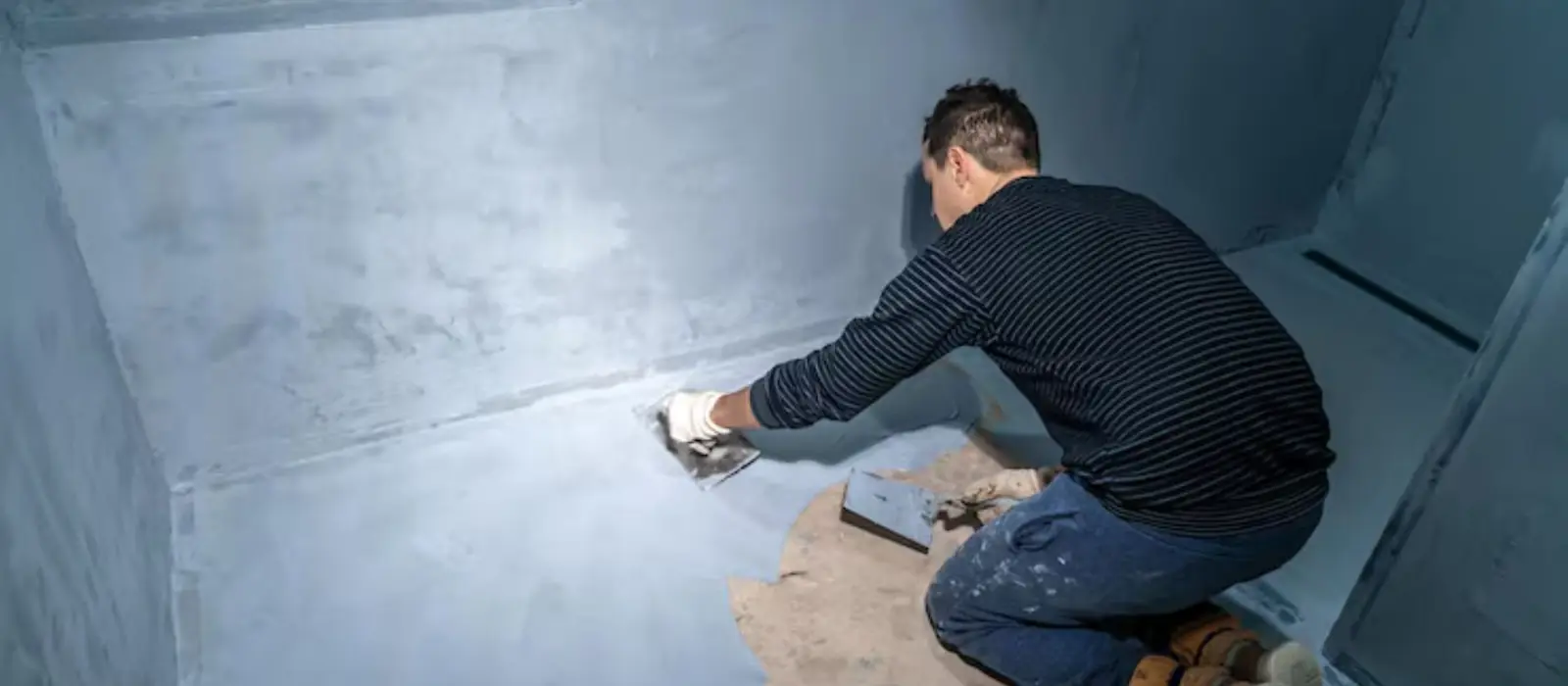
A waterproofing paint or sealer slows moisture vapor that passes through concrete. It can help with a damp smell and a chalky floor. It will not hold back water pressing from underneath, and it can peel when pressure builds behind it.
If you see liquid water, treat the cause instead of the surface. Putting a coating over an active leak hides it for a season and then fails. An honest assessment looks at the source first.
What an interior drain system includes
The usual setup has these parts.
- ✓A channel along the floor edge that collects water.
- ✓A sump pit that receives the water.
- ✓A sump pump, ideally with a battery backup.
- ✓A discharge line that carries water away from the house.
- ✓A sealed cover to control humidity and odor.
Local note: creeks, storms and groundwater
Bensalem sits between Poquessing Creek on the west and Neshaminy Creek on the east, and both are part of the township's setting. During the remnants of Hurricane Ida on September 1, 2021, Bucks County saw 4 to 10 inches of rain, and county officials reported Neshaminy Creek cresting at 20.84 feet. We do not claim any specific basement flooded then.
The practical point is simple. Heavy rain raises groundwater, and a basement that is borderline in normal weather fails in a big storm.
Test your pump now. Homeowners in Croydon and Levittown near creeks should pay extra attention. Read the sump pump page for the pump side.
Waterproofing and finishing a basement
If you plan to finish the space, treat water control as step one. Carpet, drywall and furniture hold moisture and grow mold. A dry floor, a working pump and a dehumidifier make the finished space last.
Mention water history to any contractor, including past floods and where they appeared. The better they understand it, the better the plan. A professional assessment is worth it before you spend on finishes, as covered in basement waterproofing.
A seasonal checklist for basement water
Spring and fall are good times to walk the property. Clean gutters, check that downspouts discharge away from the foundation and look for soil that has settled against the wall. Fixing these costs very little compared with interior work.
Inside, test the sump pump and look at the floor edge after the first heavy rain. A thin line of dampness at the wall base is an early warning that groundwater is rising.
What to keep off a wet basement floor
A few habits protect belongings while you sort out the cause.
- ✓Cardboard boxes, which wick moisture and collapse.
- ✓Wood furniture without feet or a pallet under it.
- ✓Electronics and documents, which belong on shelves.
- ✓Carpets or rugs that trap moisture against the slab.
- ✓Chemicals that could leak and mix if water enters.
Basement floor wet or damp?
Call and describe where water appears. A plumber will help you sort the cause.
Common questions
You can fix grading, gutters and cracks. Active water pressure needs a drain system, which is better left to a professional.
They slow moisture vapor. They do not stop water pushing from below.
If you have an interior drain, yes. The pump moves the water out.
Tape plastic to the floor for a day. Moisture under the plastic is coming through the slab. Moisture on top is condensation.
We cannot say for any specific home. Bucks County received 4 to 10 inches of rain on September 1, 2021, and Neshaminy Creek crested at 20.84 feet according to county officials.