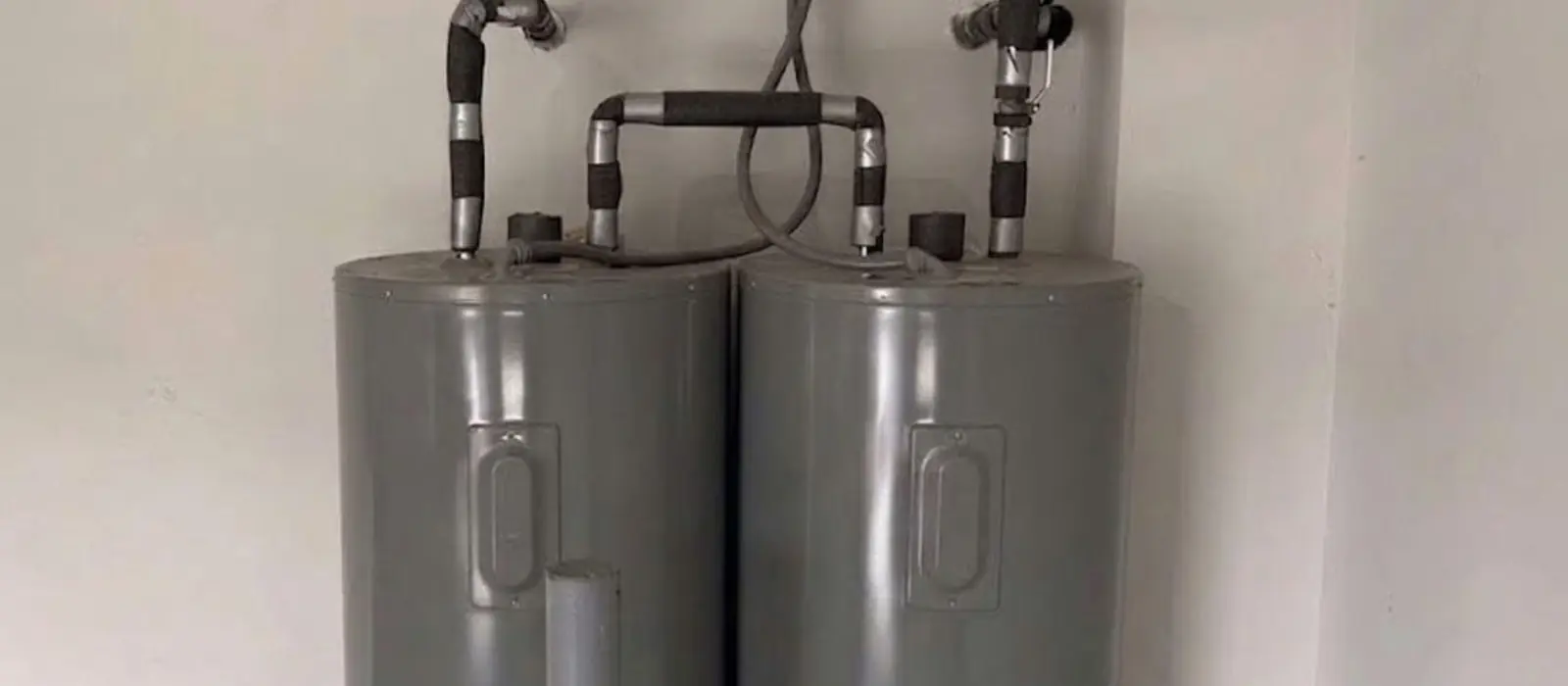
When installation is a planning project
Planned installs come up in a few situations. A finished basement is being converted, an addition is going in, the old heater is sound but oversized, or the household wants to leave oil or electric for gas. Each one opens a different set of choices.
The big question is whether the new location and fuel can support the unit. A power-vent tank needs an electrical outlet and a way to exhaust sideways. A tankless needs a gas line sized for its burner and a vent run that clears the house.
Settle those before buying equipment. Installation follows the maker's guidelines and International Plumbing Code (IPC) standards for the relief valve, discharge pipe and venting, so ask to see them in the scope.
How an installation project runs
Four steps cover most jobs, and each ends with a decision you make before the next begins.
- 1
Site check
The plumber looks at the space, the existing supply and gas lines, the vent path and the drain.
- 2
Unit and scope
You choose the type and size, and the written scope lists every part and code item.
- 3
Install day
Old unit out, new unit set, lines connected, venting and drain completed.
- 4
Test and walkthrough
Leak test, temperature set, valves explained and paperwork left with you.
Fuel and style compared
Cost to run, space and venting vary more than the sticker on the box suggests.
| Type | Space needed | Venting | Good fit |
|---|---|---|---|
| Gas tank | A closet or basement corner | Flue or power vent | Existing gas service |
| Electric tank | Same footprint as gas | None | Homes without gas |
| Tankless | Wall-mounted, compact | Sealed vent through a wall | Larger households, see tankless water heater service |
| Heat pump | Larger footprint with open air | Condensate drain only | Unfinished basements with spare room |
Items that belong on every installation scope
Safety guidance first: do not use the new heater until the venting and relief line are checked. Ask to see these on the written scope before the day arrives.
- ✓Expansion tank or a note on why it is not needed.
- ✓New shutoff valve on the cold supply.
- ✓Relief valve and a discharge pipe routed to a safe point.
- ✓Gas line sizing and a leak test on any gas connection.
- ✓Drain pan with a drain line in finished spaces.
- ✓Disposal of the old unit.
Venting and combustion air
Gas units must exhaust combustion gases safely, and the vent path is the most frequently mishandled part of an install. In many homes a water heater shares a flue with a furnace or boiler, and connecting a new unit to an old flue without checking its size is a known hazard.
Installers should check the flue size for the combined load or choose a direct vent. A carbon monoxide detector near the sleeping area is inexpensive protection on any home with fuel-burning equipment, and it is smart to confirm that detectors are working on install day.
Ready to plan an install?
Call to describe the home and get a clear price on the scope.
Bensalem permits, codes and contractor checks
Bensalem Township enforces the Pennsylvania Uniform Construction Code and uses the International Plumbing Code. Call the township's Building and Planning office at 215-633-3644 to ask what a water heater install requires at your address, because permit rules vary.
Hire a contractor who is open about this. Pennsylvania requires contractors who perform $5,000 or more in home improvement work annually to register with the Attorney General, and you can verify a registration at 1-888-520-6680. It takes a minute and filters out a lot of risk.
What shapes an installation price
Equipment is only part of it. These items move the total.
Insurance note. A new installation can affect your homeowners policy if it changes the fuel type or location. Mention the project to your agent.
Want your real number? Call (215) 714-6692 and describe the job.
Common questions
Often yes, if the supply, drain and venting can reach the spot. A site check confirms before anything is ordered.
Frequently. Tankless burners draw much more gas than a tank, and the existing line may be too small.
Look at existing service, venting options and monthly operating cost. A plumber can compare the setups for your house.
It depends on the location and the code in force. For finished spaces, a pan with a drain is very good practice.
Many installs fit within the same week, depending on equipment availability. Call for the schedule.